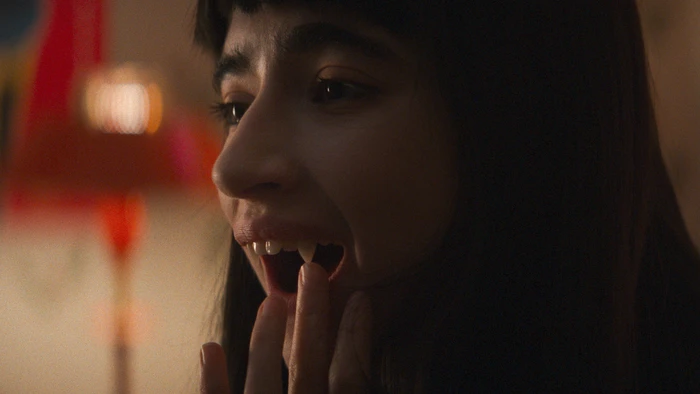
Young vampire Sasha has a serious problem: she can't kill. Her exasperated parents cut off her blood supply, putting her life in jeopardy. Sasha meets Paul, a lonely teen with suicidal tendencies who is willing to give his life for hers, and they begin a nocturnal quest to fulfill Paul's last wishes.

A DIFFERENT SET OF JAWS.
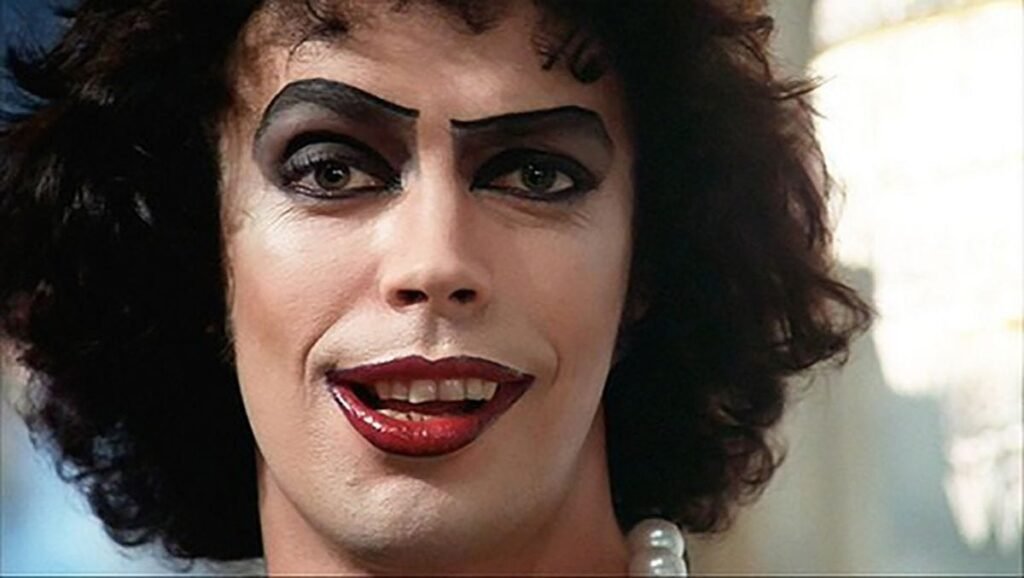
After getting a flat tire in the middle of nowhere, newly engaged couple Brad and Janet encounter the eerie mansion of the flamboyant, seductive Dr Frank-N-Furter and a variety of eccentric characters. Through elaborate dance and rock music, the mad scientist unveils his latest creation: a perfect, muscular man.
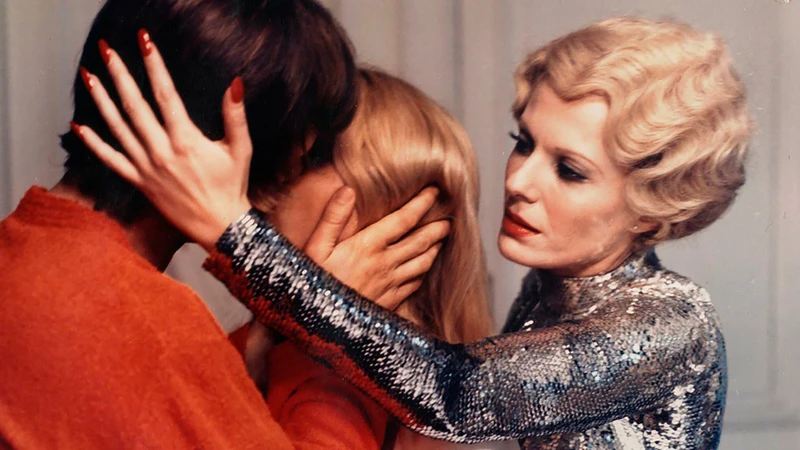
Newlyweds Stefan and Valerie stop at a posh French hotel while they are on their honeymoon. There they meet a mysterious countess, Elizabeth, and her secretary.
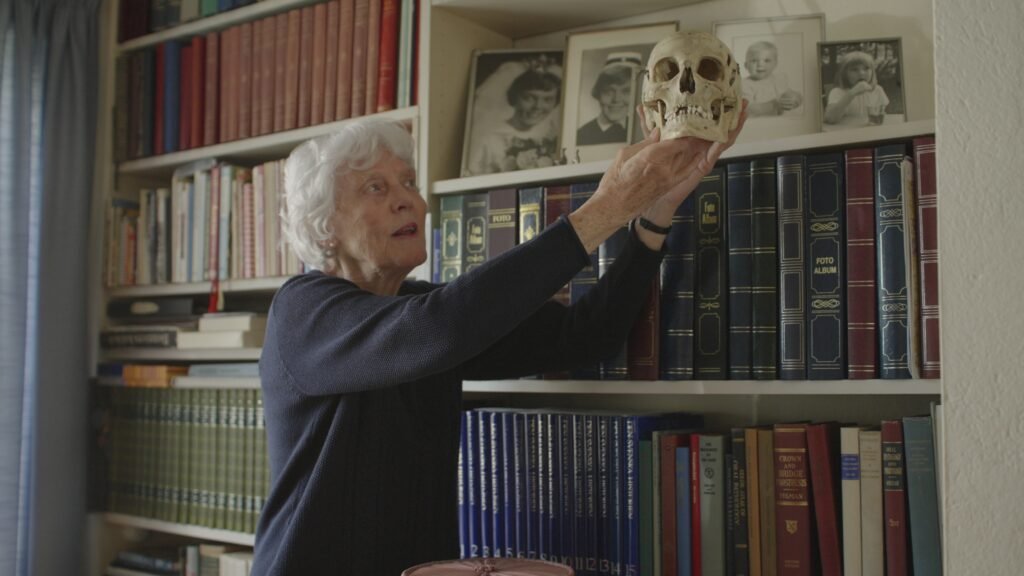
A special Halloween event hosted by Death Cafe Malmö. The afternoon will begin with the screening of a film on the subject of death, followed by coffee/tea, cake and conversation on death.
Doors open: 14.45
Film begins: 15.00
Director Ebba Stoppelenburg on her documentary film Jolly (2026):
“For generations, my family has had a human skull at home. In Jolly I journey through historical, ethical, spiritual and scientific perspectives to try to understand who this individual was and how to properly care for their remains.”
Death Cafe is a space where people come to share and listen to other people's thoughts on the subject of death over a slice of cake and a hot beverage. Subjects which can be touched upon are for example thoughts on burial ceremonies, personal anecdotes on death and religious or non-religious perspectives on death. Everybody is welcome to join! Conversations will be held in Swedish and in English. Please note that Death Cafe is a philosophical meeting place and not a professional health service.
Here is some more information on Death Cafe: https://deathcafe.com/
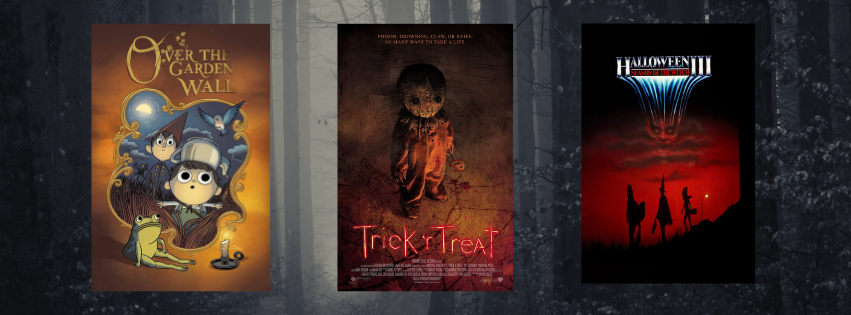
HALLOWEEN III: SEASON OF THE WITCH
1982, Tommy Lee Wallace, 98'
THE NIGHT NO ONE COMES HOME. After a terrified toy salesman is mysteriously attacked and brought to the hospital, clutching the year’s most popular Halloween mask, Dr. Daniel Challis sets out to investigate the strange events and finds himself thrust into a nightmarish conspiracy.
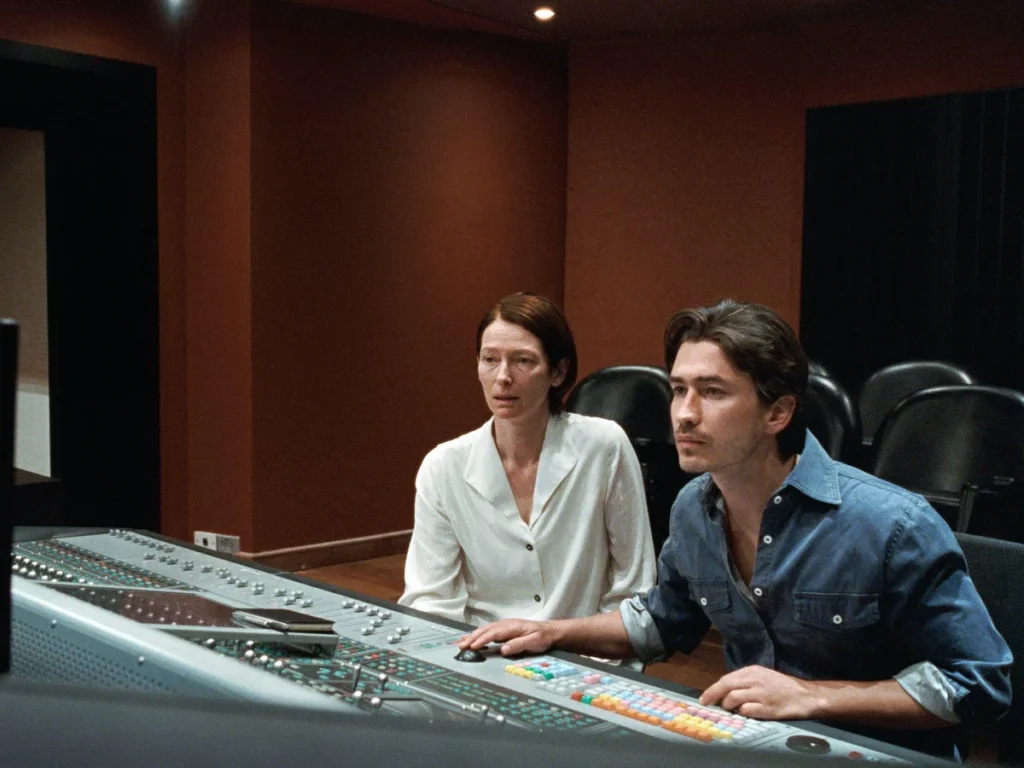
One morning, Jessica Holland, a Scottish orchid farmer visiting her sister in Bogotá, is woken by a loud ‘bang’. This haunting sound dispels her sleep for days, calling into question her identity and guiding her from recording studios to secluded jungle villages in an attempt to find its source.
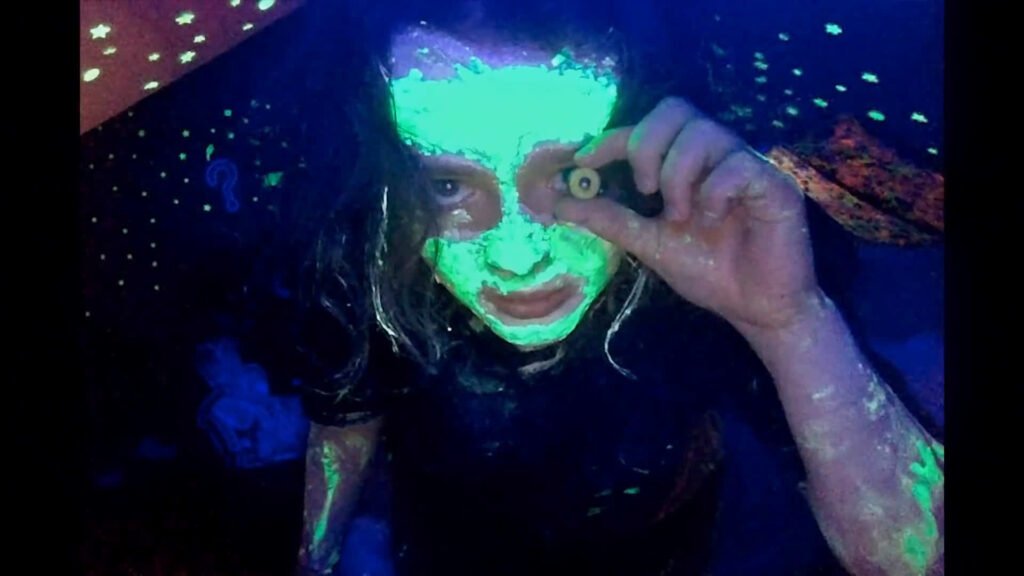
Take a tumble down the rabbit holes of internet culture with this uncanny coming-of-age tale from director Jane Schoenbrun (Teenage Sex and Death at Camp Miasma). Skirting the boundaries of horror, We’re All Going to the World’s Fair is a nerve-shredding fever dream of collective psychosis from the dark heart of the online zeitgeist.
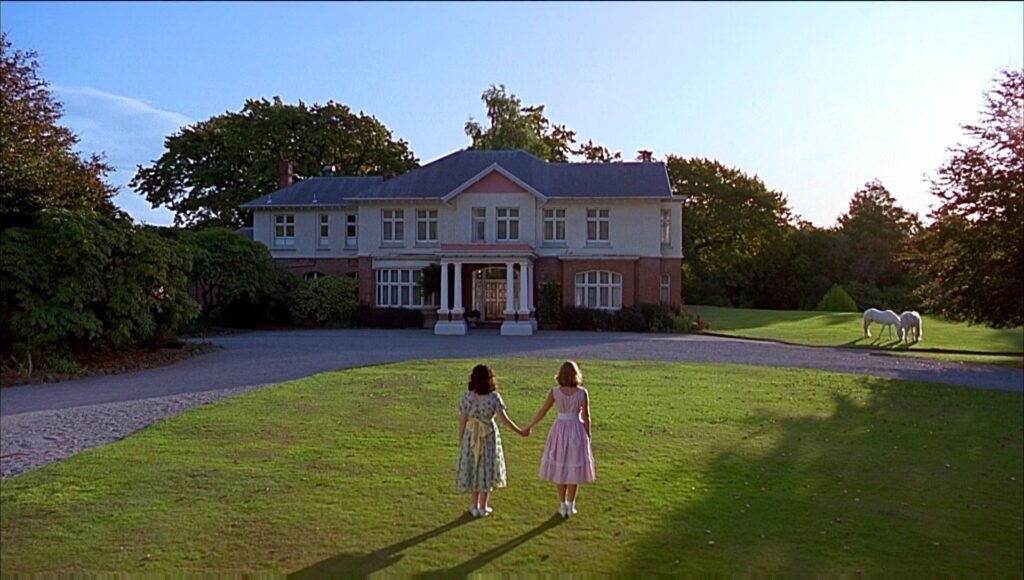
Based on a brutal murder that shocked 1950s New Zealand, Heavenly Creatures tells the story of two teenagers who develop an intense bond and inhabit a shared fantasy world. When their parents try to break them up, the girls go to extremes to defend themselves and their kingdom.
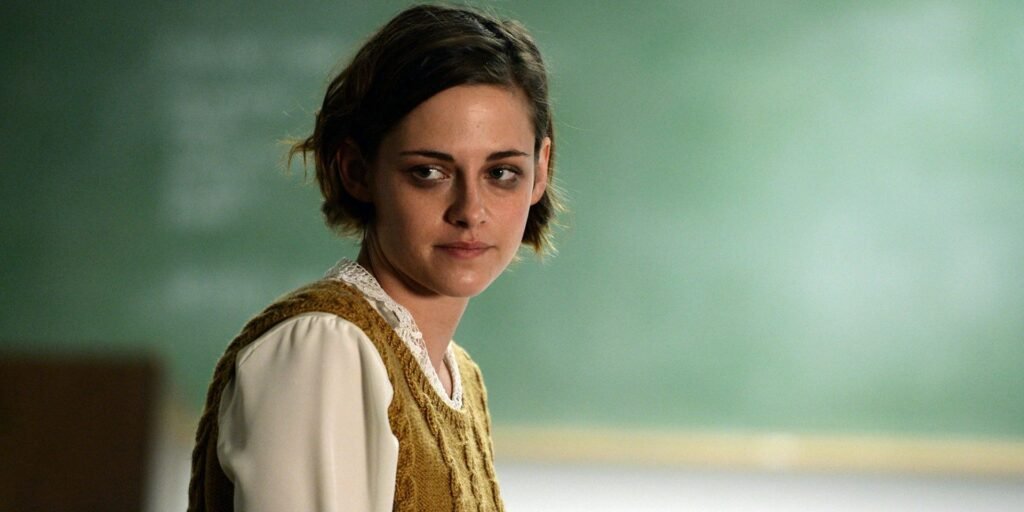
Kelly Reichardt's triptych, adapted from three Maile Meloy stories, unfolds across the American West in interlocking episodes: a lawyer (Laura Dern) facing a troubled client, a wife (Michelle Williams) whose dream home exposes cracks in her marriage, and a night-school teacher (Kristen Stewart) who bonds with a lonely ranch hand (Lily Gladstone). With unassuming craft, Certain Women captures the rhythms of small-town Montana and the women confined by its wide-open spaces.
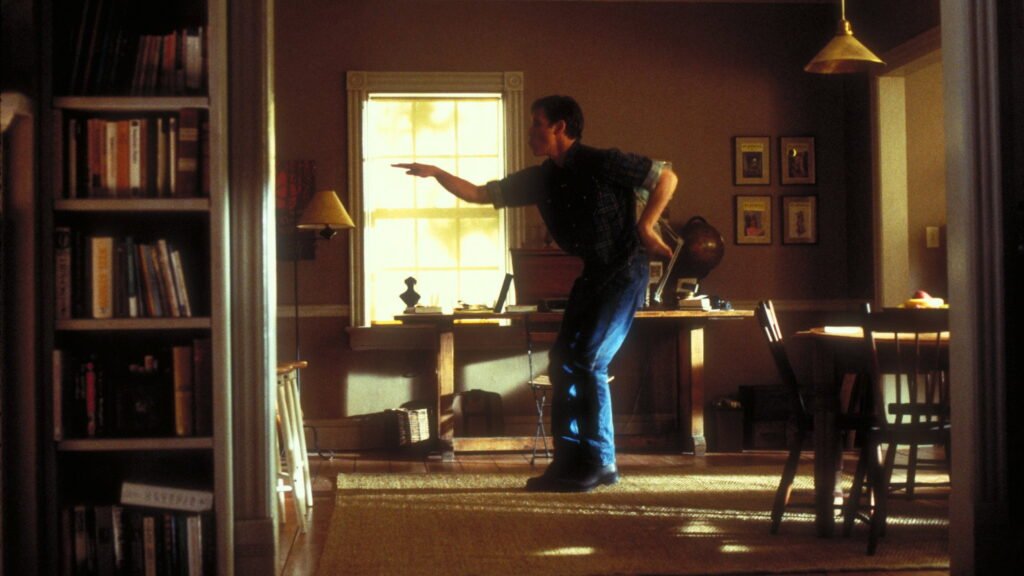
A midwestern teacher questions his sexuality after a former student makes a comment about him at the Academy Awards.
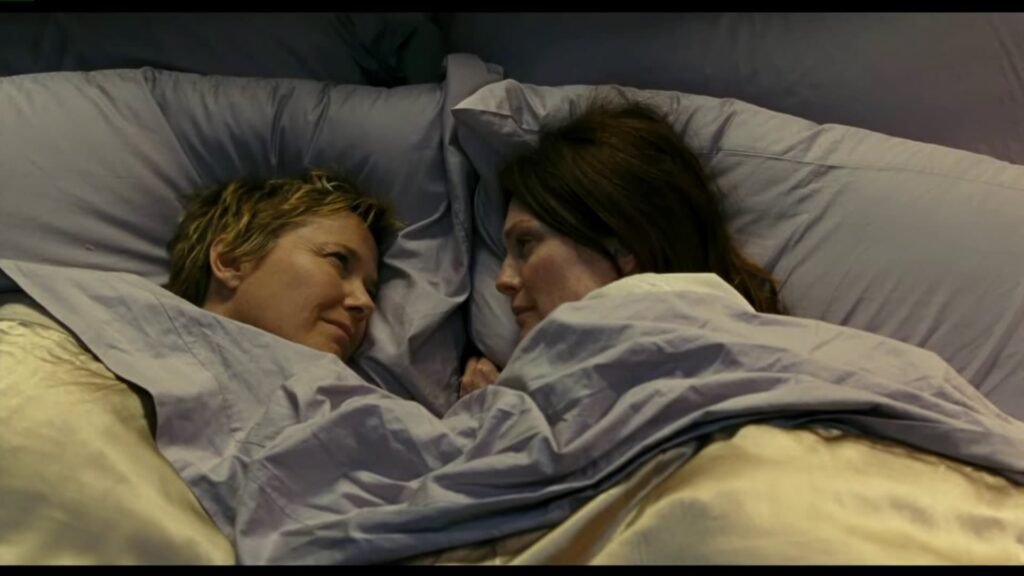
Lesbian couple Jules (Julianne Moore) and Nic (Annette Bening) have been together for almost 20 years and have two teenage offspring named Joni and Laser, who were conceived via artificial insemination. Unbeknown to their mothers, Joni and Laser seek out their biological father, a restaurateur named Paul (Mark Ruffalo). Complications arise when the teens bond with Paul and invite him into their lives.
PorYes is an initiative of sex-positive feminists that advocates for feminist criteria in pornography and honors outstanding depictions of sexuality. Since 2009, the PorYes Award has been held every two years as a feminist European porn film prize in Berlin. The PorYes awards were created as a feminist counter-action to the Venus Awards, a Berlin-based mainstream porn festival.
For more information visit their website.